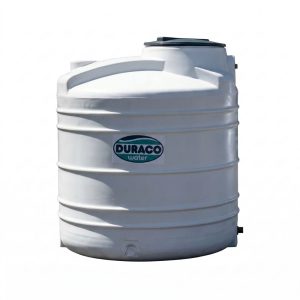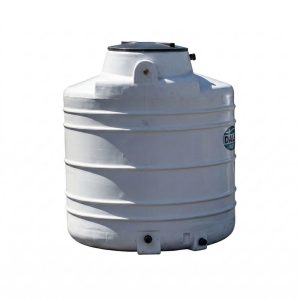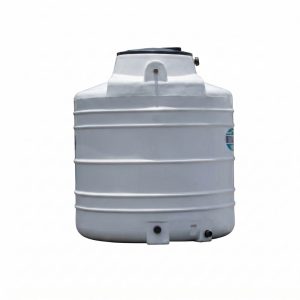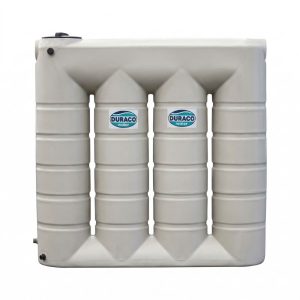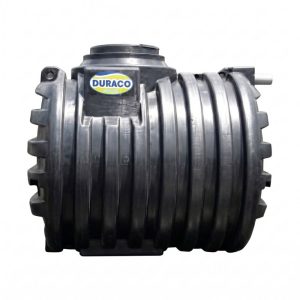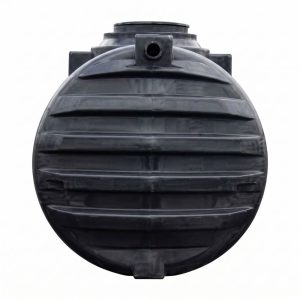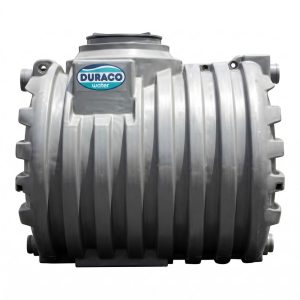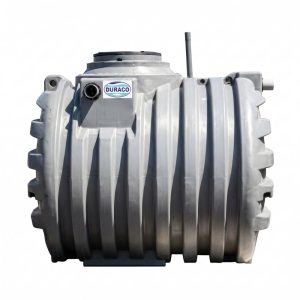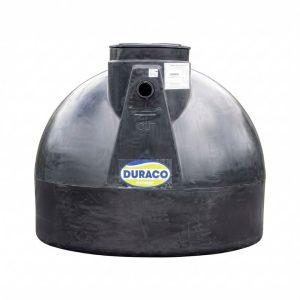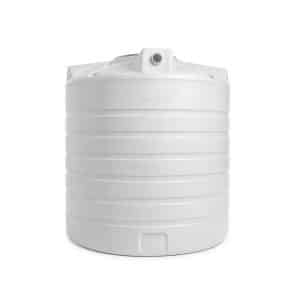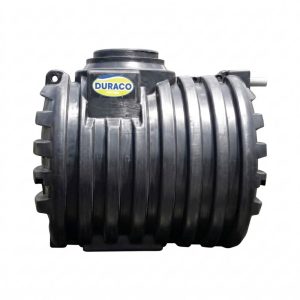
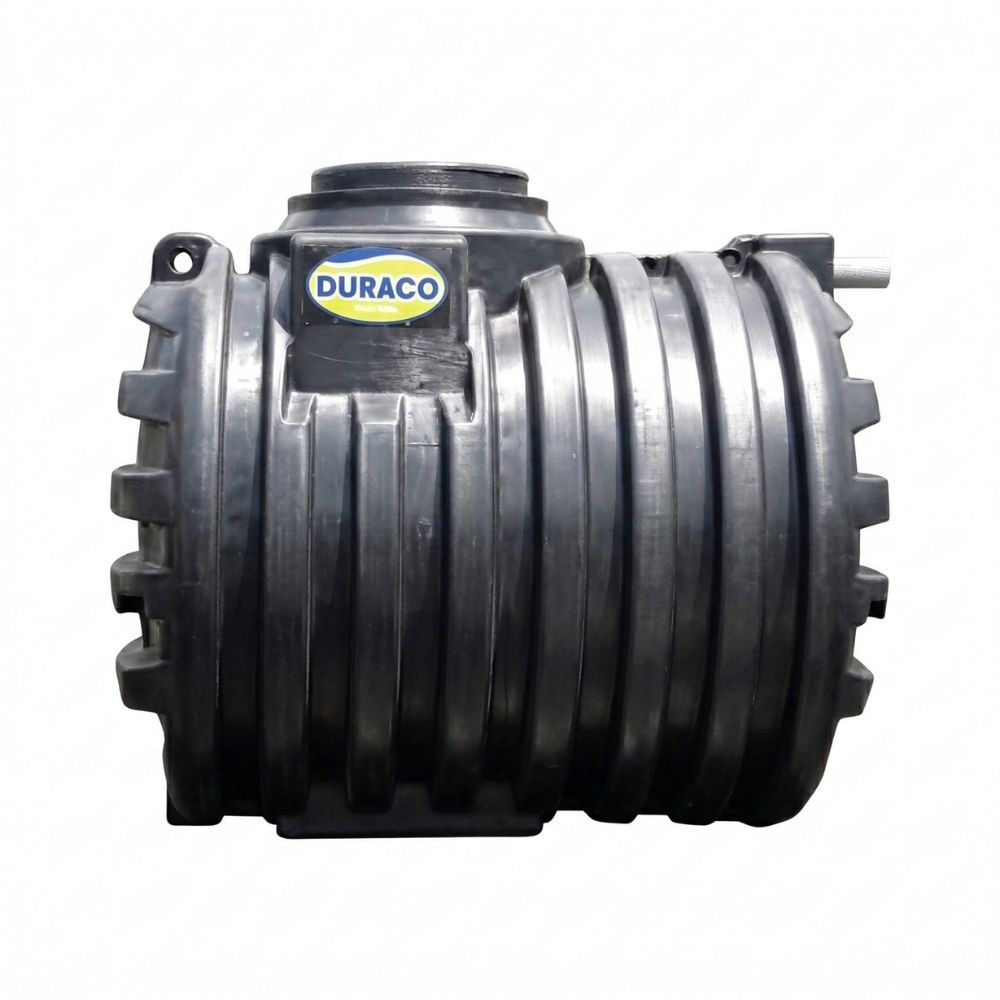
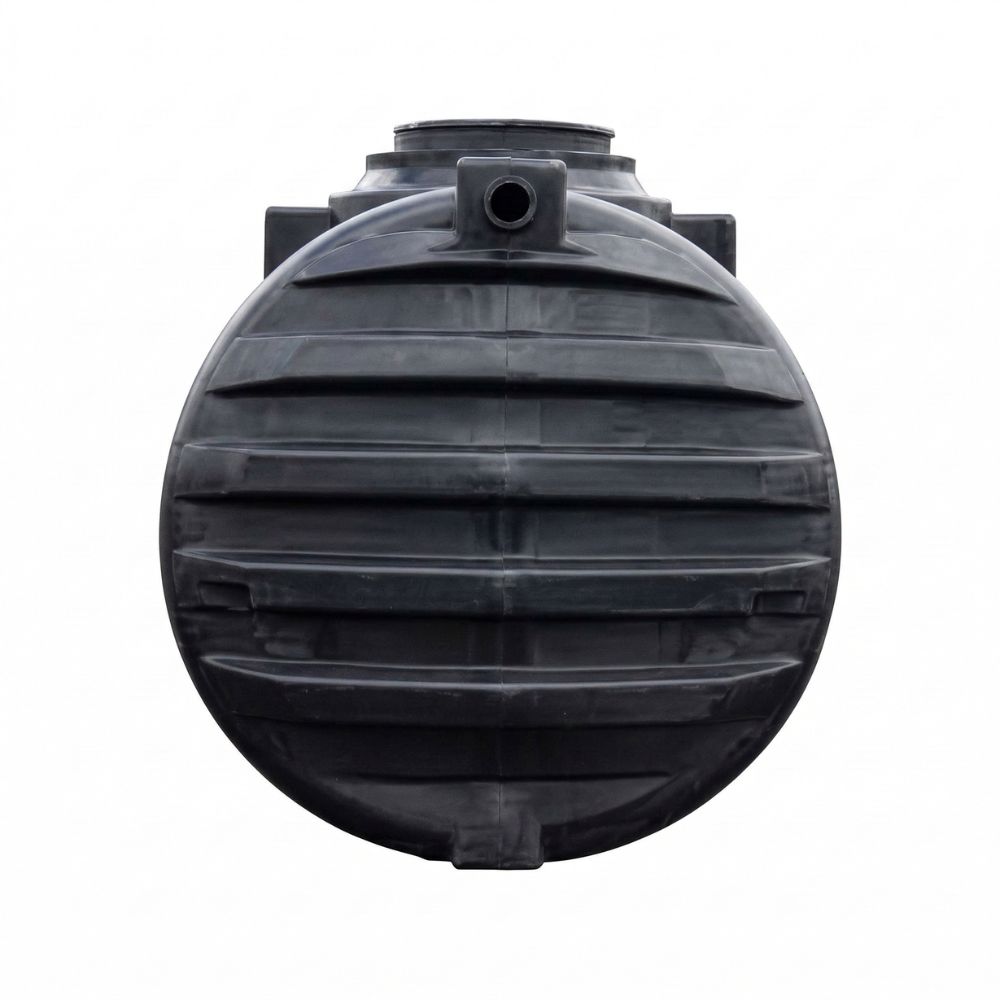
Duraco Grease Trap 4700L
Capacity: 4700L
Dimensions: L2300mm x W1800mm x H1800mm
Use: Commercial use
Intercepts fats, oil, grease and solids (FOGS) from kitchen wastewater
Underground installation — below ground use only
150mm compacted rock sand bedding required
PVC sleeves supplied at inlet and outlet
Manufactured in Mauritius by Duraco
- Estimated Delivery : Up to 4 business days
- Free Delivery : On all orders over Rs3000
Duraco Grease Trap 4700L
Capacity
4700L
Application
Commercial use
Installation
Underground
Material
HDPE
Key features
Intercepts FOGs before the sewer
Captures fats, oils, grease and solids from kitchen wastewater — prevents drainage blockages.
Underground installation
Below-ground design keeps it out of sight. Accessible for periodic cleaning.
One-piece HDPE construction
Corrosion-resistant. No seams or joints — watertight.
Made in Mauritius by Duraco
Locally manufactured — available at QBM Phoenix.
Product details
Duraco grease trap manufactured in Mauritius from High-Density Polyethylene. A grease trap is a plumbing device which intercepts fats, oil, grease and solids (FOGS) from the kitchen sink before they enter the sewer network or absorption pit. Industrial/commercial model. PE extension may be required if manhole lid does not reach ground level.
Common kitchen wastewater contains small amounts of FOGS. Solid food particles sink to the bottom while lighter grease and oil float to the top, forming a scum layer. This is slowly digested and broken down by microorganisms during the aerobic digestion process. The relatively grease-free water is then fed into the absorption pit. Food solids and floating grease must be periodically removed.
Installation Process:
Step 1 — Location: Place the unit in an outside area near the kitchen sink, accessible for regular maintenance.
Step 2 — Connection: Two connectors only. Inlet connected to the sink pipe, outlet to the absorption pit.
Step 3 — Excavation: Dig to a depth allowing the grease trap cover to come flush with the ground. Domestic models (140, 200, 350L): allow 160mm clearance around the tank. Industrial models (1800, 3000, 4700L): allow 230mm on both sides and both ends.
Step 4 — Bedding: Minimum 150mm of compacted rock sand bedding. Ensure the trap is levelled. PVC sleeves are supplied at inlet and outlet — glue inlet and outlet pipes to sleeves using standard PVC glue.
Step 5 — Backfilling: Ensure lid is properly screwed before backfilling. Fill the tank with water through the inlet as you backfill, keeping water level even with backfill level to prevent distortion. Backfill in 200mm layers, compacting each layer. Compact under inlet and outlet before fixing pipes. Maximum backfill over top for industrial models: 300mm.
Note: If more than 300mm of soil is required above the top, protect with a heavy-duty concrete slab resting on firm soil around the tank — the slab must NOT rest on the tank.
Step 6 — PE Extension (industrial models only): If the manhole lid does not reach ground level, install a Duraco polyethylene extension to the manhole outlet before backfilling. Use Duraco extensions exclusively.
Step 7 — Drain Field: Home sewer drain must slope minimum ¼ inch per foot downhill to the grease trap inlet. Outlet pipe must slope minimum 1/8 inch per foot to the absorption pit. Absorption pit must be within 3m of the grease trap and have a volume at least equal to that of the grease trap.
Caution — Failure to comply voids warranty:
– Do not install in water-saturated clay or high water table — tank may collapse
– Not fire-resistant — do not store near open flame or heat above 180°F
– Do not install under vehicles or heavy equipment without a heavy-duty concrete slab on firm ground around the tank
– When pumped for maintenance, refill immediately
– Designed for underground use only
– Protect from sharp objects that could cause leakage
– Avoid abusive use of detergent
Key Facts:
– Grease trap intercepts fats, oil, grease and solids (FOGS) from kitchen wastewater before they enter the sewer or absorption pit
– Not a food disposal unit — unfinished food, gravy and sauces must be scraped into the garbage bin, not the sink
– Domestic traps: clean weekly — if more than 50% full when cleaned weekly, increase frequency
– Industrial traps (1800L+): contact a Wastewater Company to pump and dispose of grease
– Wastewater from the trap is disposed to the absorption pit
– A grease trap is necessary even without visible grease — it also removes fats from butter, margarine, cooking oil, salad oil and baking grease
– Failure to maintain regularly causes build-up of FOGs and sludge leading to blockage and pipe damage
| Capacity | |
|---|---|
| Dimensions | |
| Use | |
| Installation | |
| Material |
Related products
-

Duraco Water Tank 1000L
₨11,500 -
Duraco Water Tank 1500L
₨15,999 -
Duraco Slim Water Tank 1200L
₨22,000 -
Duraco Water Tank 2500L
₨26,000 -
Duraco Septic Tank 4700L
₨55,000 -